Indications and Usage for Apidra
Prescription Apidra is a fast (rapid) acting insulin used for adults and children with diabetes mellitus to control high blood sugar. It is not known if Apidra is safe or effective in children less than 4 years of age with type 1 diabetes or in children with type 2 diabetes.
When used as a mealtime insulin, Apidra should be given within 15 minutes before or within 20 minutes after starting a meal.
Apidra may be infused subcutaneously by external insulin infusion pumps.
Important Safety Information
Do not use Apidra if you have low blood sugar reaction or if you are allergic to insulin glulisine or any of the ingredients in Apidra.
Do not share needles, insulin pens or syringes with others even if the needle is changed. Do NOT reuse needles. You may give other people a serious infection or get a serious infection from them.
Change (rotate) your injection sites within the area you chose with each dose to reduce your risk of getting pitted or thickened skin (lipodystrophy) and skin with lumps (localized cutaneous amyloidosis) at the injection sites. Do not use the same spot for each injection or inject where the skin is pitted, thickened, lumpy, tender, bruised, scaly, hard, scarred, or damaged.
Before starting Apidra, tell your doctor about all your medical conditions, including if you have liver or kidney problems, if you are pregnant or planning to become pregnant or if you are breastfeeding or planning to breastfeed.
Heart failure can occur if you are taking insulin together with pills called TZDs (thiazolidinediones), even if you never had heart failure or other heart problems. If you have heart failure, it may get worse while you take TZDs with Apidra. Your treatment with TZDs and Apidra may need to be changed or stopped by your doctor if you have new or worsening heart failure. Tell your doctor if you have new or worsening symptoms, including:
- Shortness of breath
- Sudden weight gain
- Swelling of your ankles or feet
Tell your doctor about all medications you take, including OTC medicines, vitamins, supplements, and herbal supplements.
When used a mealtime insulin, Apidra should be taken within 15 minutes before a meal or within 20 minutes after starting a meal. Test your blood sugar levels as directed by your doctor when using Apidra. Do not change your dose or type of insulin without talking to your doctor. Any change of insulin should be made cautiously and only under medical supervision.
Check your insulin label to verify that you have the correct insulin before each injection. Use Apidra only if the solution is clear and colorless with no particles visible.
While using Apidra, do not drive or operate heavy machinery until you know how Apidra affects you. Do not drink alcohol or use medicines that contain alcohol.
Apidra may cause serious side effects that can lead to death, including:
- Low blood sugar (hypoglycemia). Signs and symptoms of low blood sugar may include dizziness or light-headedness, sweating, confusion, headache, blurred vision, slurred speech, shakiness, fast heartbeat, anxiety, irritability or mood changes, hunger.
- Serious allergic reactions. Get medical help right away if you have: a rash over your whole body, shortness of breath, trouble breathing, fast pulse, sweating or feeling faint
- Low potassium in your blood (hypokalemia). Your doctor should monitor you for low blood potassium levels.
- Heart failure. Your doctor should monitor you closely while you are taking TZDs with Apidra.
Get emergency medical help if you have:
- Trouble breathing, shortness of breath, fast heartbeat, swelling of your face, tongue, or throat, sweating, extreme drowsiness, dizziness, confusion.
The most common side effects of Apidra include: low blood sugar (hypoglycemia), weight gain, itching, rash, swelling, allergic reactions including injection site reactions, skin thickening or pits at the injection site (lipodystrophy).
Important Safety Information for Apidra® (insulin glulisine injection) SoloStar®
Apidra SoloStar is a disposable single-patient-use prefilled insulin pen. Please talk to your healthcare provider about proper injection techniques and follow instructions in the Instruction Leaflet that accompanies the pen.
Important Safety Information for Apidra when used in a pump
Replace the infusion sets (reservoir, tubing, and catheter), and the Apidra in the reservoir at least every 48 hours and select a new infusion site. Do not mix or dilute Apidra when used in the pump.
Failure of your insulin pump or infusion set or degradation of the insulin in the pump can cause hyperglycemia and ketoacidosis. Always carry an alternate form of insulin administration in the case of pump failure.
for Full Prescribing Information for Apidra.
for information on Sharps Medical Waste Disposal.
to learn more about Sanofi's commitment to fighting counterfeit drugs.
These are not all the possible side effects of Apidra. Call your doctor for medical advice about side effects. You may report side effects to FDA at 1-800-FDA-1088.
Sanofi does not provide medical advice, diagnosis, or treatment. The health information contained herein is provided for general educational purposes only. Your healthcare professional is the best source of information regarding your
health. Please consult your healthcare professional if you have any questions about your health or treatment.
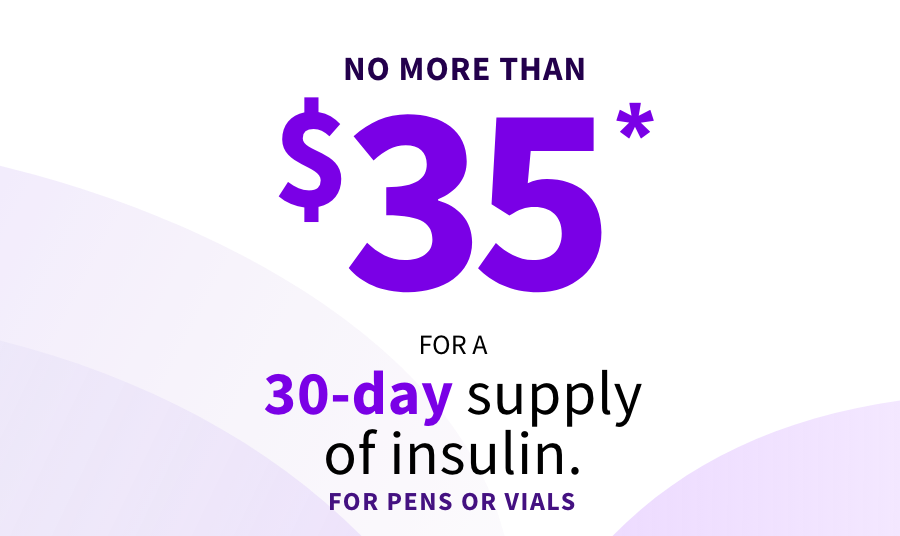
†Medicare Part D Coverage: Under the Inflation Reduction Act, Medicare Part D covers insulin at a capped cost of no more than $35 per month for covered Sanofi insulins, regardless of the phase of coverage, including the coverage gap (donut hole). This benefit is provided through Medicare Part D coverage and is independent of the Sanofi Insulin Savings Program. Patients should contact their Medicare Part D plan for details on covered products and eligibility. The Sanofi Insulin Savings Program is not valid for prescriptions submitted for reimbursement, in whole or in part, to Medicare, Medicaid, VA, DOD, TRICARE, or similar federal or state programs, including any state pharmaceutical programs.
‡See application for complete eligibility details by visiting www.sanofipatientconnection.com.
For Spanish, Mandarin Chinese, or other non-English-speakers, please call the toll-free telephone number 855-706-4473 to speak with a translator and for information about the Insulin Savings Program and the Sanofi Patient Connection® Program.
Para personas que hablan español, chino mandarín o cualquier otro idioma que no sea inglés, se debe llamar al número de teléfono gratuito 855-706-4473 para hablar con un traductor y para obtener información sobre el Programa de ahorros en insulina de Sanofi y el Programa Sanofi Patient Connection®.
对于西班牙语、中文普通话或其他非英语人士,请拨打免费电话号码 855-706-4473 联系翻译人员,并获取有关 Insulin Savings Program(胰岛素储蓄计划)和 Sanofi Patient Connection® Program(赛诺菲患者连接计划)的信息。
Isbaanish, Mandarin Chinese, ama kuwa kale ee aan Ingiriisiga ku hadlin, fadlan wac lambarka telefoonka bilaashka ah 855-706-4473 si aad ula hadasho turjumaan iyo wixii macluumaad ah ee ku saabsan Barnaamijka Dhaqaalaysiga Lacagaha Insuliinta ee Sanofi iyo Sanofi Patient Connection® Barnaamijka.
Rau cov neeg hais lus Mev, lus Suav Mandarin, los sis lwm cov uas tsis hais lus Askiv, thov hu rau tus xov tooj hu dawb 855-706-4473 los tham nrog ib tus neeg txhais lus thiab kom tau cov ntaub ntawv hais txog Insulin Savings Program thiab Sanofi Patient Connection® Program.